
How to Prevent A Cockroach Infestation In Morristown, NJ: Signs, Types & Prevention
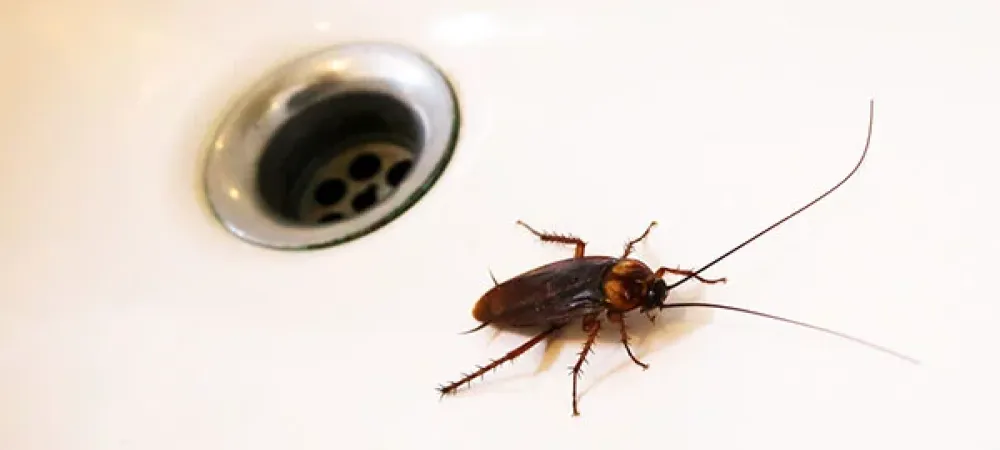
Cockroaches are among the most feared household pests in New Jersey. They spread bacteria, trigger allergies and asthma, and reproduce rapidly — making a small problem a serious infestation fast. Whether you've spotted one in your kitchen or noticed suspicious droppings, this guide covers everything you need to know about cockroach identification, signs of infestation, and how to get rid of cockroaches in Morristown, NJ for good.
What are Cockroaches?
Cockroaches are insects belonging to the order Blattodea and are among the most resilient pests on earth. They are nocturnal, highly adaptive, and can survive in almost any environment with access to food, water, and shelter. Cockroaches are known to contaminate food, spread pathogens like Salmonella, and produce allergens that worsen asthma — especially in children. The most common cockroach found in New Jersey homes is the German cockroach, though several species are active in the Morristown area.
Different Types of Cockroaches in Morristown, NJ
Correctly identifying the cockroach species in your home is the first step toward effective elimination. Each species has different behaviors and preferred habitats, requiring tailored treatment approaches.
The German Cockroach
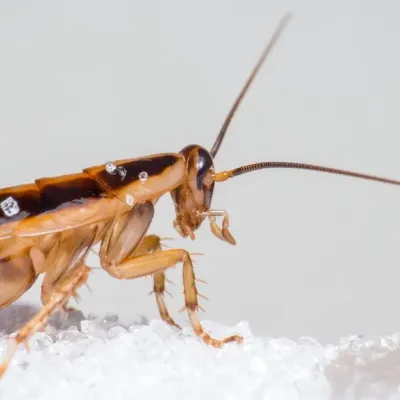
The German cockroach is the most common cockroach in New Jersey and the hardest to eliminate. At just ⅝ inch long, it is light tan to brown with two dark stripes behind its head. This species reproduces extremely fast — a single female can produce hundreds of offspring in her lifetime. German cockroaches prefer kitchens and bathrooms and are almost always found near food and moisture sources.
The American Cockroach
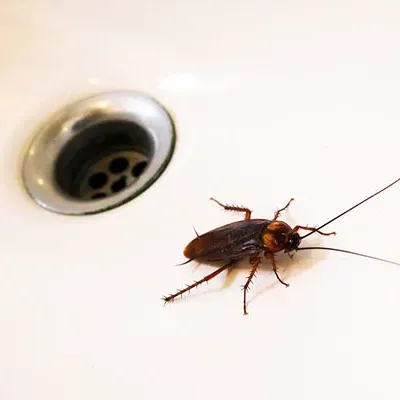
The American cockroach is the largest species in the area, averaging 1½ inches in length. It is reddish-brown and capable of short-distance flight. Despite its name, it thrives in warm, damp environments like basements, sewers, and drains. It typically enters homes through pipe gaps and drains.
The Oriental Cockroach
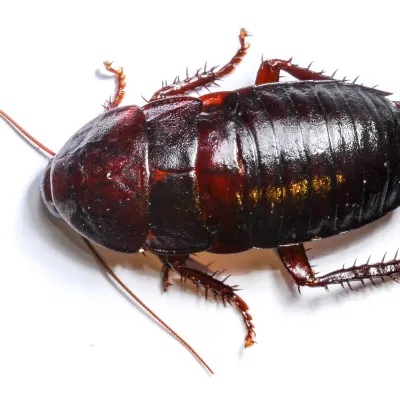
The Oriental cockroach is dark brown to black and measures up to 1¼ inches. It cannot fly but is an excellent climber. It prefers cool, damp areas like basements and crawl spaces and emits a noticeably strong musty odor. Oriental cockroaches are often called "water bugs" due to their preference for damp environments.
The Brown-Banded Cockroach
The brown-banded cockroach is light brown with two distinct lighter bands across its back. At only ⅝ inch, it's the smallest of the four common NJ species. Unlike other cockroaches, it prefers drier, warmer areas — often found inside furniture, cabinets, and electronics rather than near plumbing.
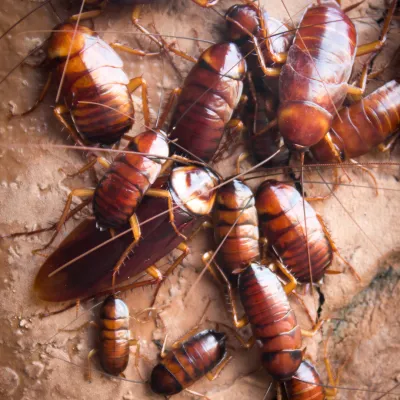
Signs of a Cockroach Infestation
Cockroaches are nocturnal and expert hiders, so you may have an infestation before you ever see one. Watch for these warning signs:
- Live or dead cockroaches — especially during the day, which indicates a heavy infestation.
- Droppings — small, dark specks resembling ground pepper or coffee grounds, often found along baseboards, inside cabinets, or near appliances.
- Egg cases (oothecae) — small, brown capsule-shaped cases found in hidden, humid areas.
- Musty or oily odor — a persistent, unpleasant smell that intensifies with larger infestations.
- Smear marks — dark, irregular streaks on walls or surfaces where cockroaches travel.
- Sticky or greasy surfaces — caused by the natural oils secreted as cockroaches move through your home.
If you notice any of these signs, act quickly, contact a professional pest control company for help with eliminating them.
What Attracts Roaches to My Home?
Food Sources
Cockroaches are omnivores that eat virtually anything — crumbs, grease, food residue, pet food, and even cardboard. Leaving dishes in the sink overnight, failing to wipe down counters, or storing open food in pantries are common reasons cockroaches establish themselves in kitchens.
Moisture and Water
Cockroaches require water to survive and are strongly drawn to leaky pipes, standing water, damp basements, and wet areas under sinks or appliances. Eliminating moisture sources is one of the most effective ways to make your home less hospitable to roaches.
Shelter and Clutter
Cockroaches seek out dark, enclosed spaces to nest and hide. Clutter — especially cardboard boxes, paper bags, and piles of debris — provides ideal shelter both indoors and in your yard. Regularly decluttering storage areas significantly reduces hiding spots.
Landscaping and Outdoor Entry Points
Overgrown shrubs near your foundation, leaf piles, and cluttered yards give cockroaches outdoor harborage close to your home. Gaps in your home's exterior — around windows, doors, pipes, and the foundation — provide direct entry points indoors.
Prevent A Roach Infestation in Morristown, NJ
The most effective cockroach control strategy is prevention. These steps can dramatically reduce your risk:
- Keep all surfaces clean and free of food crumbs, grease, and residue. Clean under appliances like the stove and refrigerator regularly.
- Store food — including pet food — in airtight containers. Do not leave pet food bowls out overnight.
- Fix all plumbing leaks promptly and eliminate standing water in sinks, tubs, and around the exterior of your home.
- Seal cracks and gaps around windows, doors, pipes, and your foundation using caulk or foam insulation. Replace worn weather stripping.
- Clean kitchen cabinets regularly and inspect incoming packages for signs of cockroach activity before bringing them inside.
- Remove outdoor clutter such as leaf piles and debris, and trim back shrubs or plants near the foundation.
- Keep trash cans tightly sealed both indoors and outdoors, and empty them regularly.
- Check gutters and downspouts for blockages that create standing water.
Treatment Options
Once you've taken steps to remove any sources of stagnant water from around your home, you can look into treatment options for eliminating cockroaches. Various chemical and non-chemical treatments are available that can help eliminate roaches. Chemical treatments involve insecticides, which should be applied carefully according to the directions on the product label. Non-chemical options include traps and baits that attract and kill cockroaches— desiccants, for example, are granules that dry out roaches when they come in contact with them. Additionally, a wide range of home remedies are available online, such as boric acid, cucumber peels, and other natural ingredients that can be used to repel or eliminate cockroaches. Whichever treatment option you choose, follow all safety instructions and precautions to ensure your family's safety.
Professional Pest Control Services
Professional pest control services is an effective way to get rid of cockroaches in your home. Pest control companies have access to various tools and products designed specifically to deal with roach infestations, including insecticides, baits, and traps.
Delsea Termite & Pest Control can help to accurately identify the type of cockroach you're dealing with and provide tailored recommendations on the best way to eradicate them from your home. Our cockroach control services in Morristown are under warranty, so you can rest assured that the problem is handled correctly. If you're looking for a reliable and cost-effective way to get rid of cockroaches in your home, consider contacting Delsea Termite and Pest Control.
Frequently Asked Questions About Cockroaches in New Jersey
How do I know if I have a cockroach infestation?
Common signs include droppings that look like pepper flakes, a musty odor, egg cases in hidden areas, greasy smear marks on walls, and seeing live or dead cockroaches — especially during daylight hours, which suggests a large population.
What is the most common cockroach in New Jersey?
The German cockroach is the most common species found in NJ homes and businesses. It is small, fast-reproducing, and particularly difficult to eliminate without professional treatment.
Can cockroaches make you sick?
Yes. Cockroaches spread bacteria including Salmonella and E. coli by contaminating food and surfaces. Their shed skins and droppings are also a significant source of allergens that can trigger asthma attacks, particularly in children and sensitive individuals.
How long does it take to get rid of cockroaches?
With professional treatment, most infestations are significantly reduced within 1–2 weeks, with full elimination typically achieved within 30 days. DIY treatments may take longer and are less reliable for moderate to severe infestations.